What is a dental implant ADA?
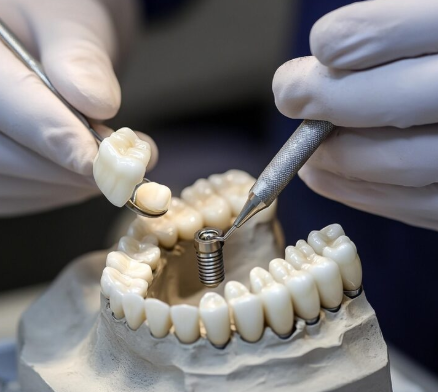
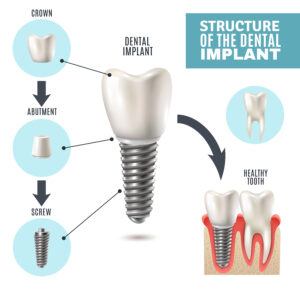
Technically, a dental implant is an artificial tooth root that’s placed into your jaw to hold a prosthetic tooth or bridge. However, when most people use the term “dental implants,” they’re talking about the combination of the implant (the artificial tooth root) and the prosthetic tooth.
IMPLANT TREATMENT PROCEDURE
The installation of dental implants can take several months and is IT dependent on the health of the patient’s. Dr. ANA HELENA RANKOVIC first examines the mouth and jaw to determine if it is strong enough to support implants. If necessary, she will perform bone or tissue grafts to build up the jawbone and soft tissue. Once any grafting has healed and the jaw is ready, the next step is to install titanium posts into the jaw. It has the ability to integrate with the bone. the patient will wait for the jaw and gums to heal from the installation of the posts.it can take several months depend of the patient’s health in following appointments, Dr. Rankovic will install abutments, then artificial teeth or crowns to replace lost teeth.
How long do dental implants last ADA?
Generally speaking, a dental implant is designed to be a permanent fixture in your mouth. In fact, studies have reported a 90 to 95 percent success rate of dental implants over a period of 10 years. However, it’s also possible for a dental implant to fail in the months or years following its placement
What is Snap-It?
. Snap-It provides a stable and esthetic temporary solution for implant patients.it snaps into place in patient’s mouth It is designed specifically for smaller coverage areas, such as gaps or implants, consisting of five units or less.
Snap-It! is designed to be easy to use, easy to care for and comfortable to wear.
Are implants hard to care for? No, implants are cared for just like natural teeth. You can brush and floss the implant tooth like a natural tooth. Call us for an appointment for checkup and rutinary cleaning.it will help you care for your implant and prevent gum disease.